Granite vs. Quartz vs. Marble: Choosing a Surface in Round Rock
On
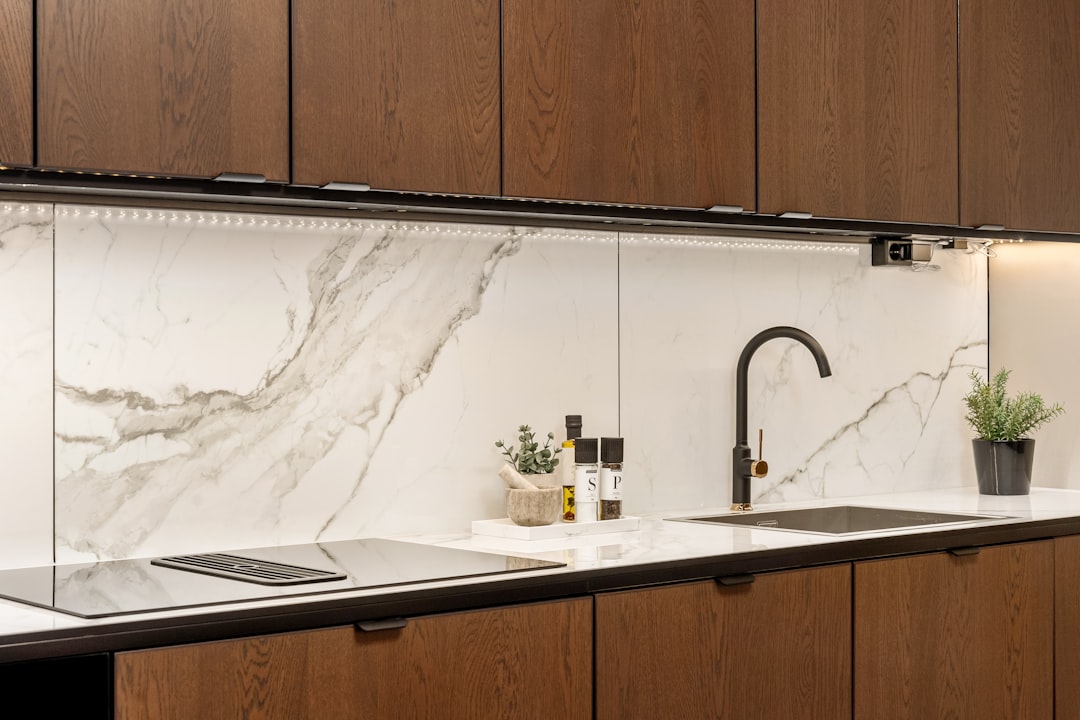
Standing in a showroom staring at slabs of granite, quartz, and marble is where most countertop projects stall. They all look great under those lights, so the real question is not which one is prettiest, it is how each one lives in a working kitchen five years from now. Here is how we help Round Rock homeowners think it through before they commit a dollar.
Start With How You Cook
The biggest factor is not the color, it is your habits. If you set hot pans down without thinking and want zero upkeep, that points one direction. If you bake constantly and love a bright, classic look, it points another. A family kitchen off Gattis School Road that runs hard every night has different needs than a quiet guest bath in Vista Oaks.
Be honest about the mess, too. Red wine, coffee, lemon juice, and turmeric ruin more counters around here than anything else. A surface that shrugs those off is worth more to a busy household than a rare vein pattern nobody notices after the first month.
If you would rather see finished installs before deciding, look at what countertops Round Rock companies put in most often. It is these same three materials, in roughly this order.
Granite for Character and Heat
Granite is natural stone, so every slab is unique, and it handles heat better than almost anything else you can put in a kitchen. Set a pan straight off the burner on it and nothing happens. That single property is why it still wins in households that cook seriously.
It is porous, so it needs sealing. In practice that means a fifteen minute job once or twice a year, and a simple water test tells you when it is due: drip a little water on the surface, and if it darkens within half an hour, it is time to reseal. Skip that and oil stains can set in around the cooktop.
The trade is consistency. Because it is quarried stone, the slab you approve is the slab you get, and veining can shift dramatically from one end to the other. Always pick your actual slab at the yard rather than approving a four inch sample. If you want a counter with real movement and one of a kind veining, our granite countertops page walks through the details.
Quartz for Low Maintenance
Engineered quartz is roughly ninety percent ground stone bound with resin, which makes it non-porous. It never needs sealing, it resists stains, and it shrugs off the acids that etch natural stone. For a household that wants to wipe the counter and walk away, it is the easiest of the three to live with.
The pattern is manufactured, so long runs match cleanly and a big island reads as one continuous surface. Modern quartz does a convincing job of imitating marble veining without the fragility that comes with real marble, which is why so many remodels in this area land here.
Its weakness is heat. Resin scorches, and a pan straight from a 450 degree oven can leave a permanent mark. Trivets are not optional with quartz. Direct sun matters too: some older quartz products can yellow over years in a bright south facing breakfast nook, so ask about UV stability if your kitchen takes hard afternoon light.
Marble for Timeless Looks
Marble is the one people fall in love with and then worry about. It is softer than granite and it etches, meaning acids like lemon, wine, and vinegar dull the polish where they sit. That is not a stain, it is a physical change to the surface, and it cannot be wiped away.
The move is to stop fighting it. A honed finish hides etching far better than a polished one, and a good impregnating sealer buys you time to catch spills. Plenty of homeowners simply accept the patina, the same way a butcher block earns its marks.
Where marble genuinely shines is anywhere the wear is lighter: a guest bath vanity, a dedicated baking station (it stays naturally cool, which is why pastry chefs use it), or an island that is more showpiece than prep space. Putting it behind a busy cooktop is where regret usually starts.
What Each One Costs Around Round Rock
Installed pricing moves with slab availability and how complicated the layout is, but these ranges hold for most kitchens in the area:
| Surface | Typical installed range | Sealing | Heat tolerance |
|---|---|---|---|
| Granite | $40 to $70 per square foot | Once or twice a year | Excellent |
| Quartz | $55 to $100 per square foot | Never | Poor, use trivets |
| Marble | $70 to $150 per square foot | Twice a year or more | Good |
Three things move those numbers more than the material itself: the number of cutouts (each sink, cooktop, and outlet adds labor), the edge profile you choose, and whether your layout needs a seam in a visible place. A galley kitchen with one sink is straightforward. An L shaped run with a waterfall island is a different job entirely.
Hard Water Is the Local Variable
Central Texas water is hard, and that shows up on countertops faster than most people expect. On dark polished granite, mineral spots appear within days around the faucet. On marble, those same minerals combine with acidic cleaners to leave a dull ring.
None of this changes which material is best, but it does change the care routine. A squeegee or a dry cloth at the sink after dishes solves most of it. If you are already fighting scale on your fixtures, factor that in before choosing a high gloss dark finish, because it will show every drop.
Seams, Edges, and Slab Size
Slabs run roughly nine to ten feet, so any counter run longer than that needs a seam. A good fabricator puts the seam where it is least visible and books the pattern across it so the veining continues. Ask to see where seams will fall before you sign, not after templating.
Edge profile is mostly aesthetic, but it carries practical weight. A simple eased or square edge is cheapest and reads modern. Bullnose is softer and more forgiving with kids around. Ogee and other decorative profiles cost more per linear foot and collect crumbs. Match the edge to the room rather than to the price list.
Care Over Ten Years
If you plan to be in the house a decade, think about the long arc:
- Granite looks the same in year ten as year one, provided you keep up with sealing. It can be re-polished if it ever dulls.
- Quartz is the most stable of the three. The realistic failure is a scorch mark or a chipped edge near the dishwasher, and neither one repairs invisibly.
- Marble will not look new in year ten. It will look lived in, which is either the appeal or the dealbreaker.
Resale is close to a wash. Buyers in this market read all three as an upgrade over laminate or tile, and no agent is going to talk down a house because the counters are quartz instead of granite.
Matching Material to Room
- Full kitchen, heavy cooking: granite or quartz. Granite if you want heat tolerance and natural character, quartz if you want to stop thinking about it.
- Island as centerpiece: quartz for a flawless long run, marble if the island is more for gathering than prep.
- Guest or primary bath: marble earns its place here, with light use and no cooktop nearby.
- Rental or flip: quartz, every time. It survives tenants who will never seal anything.
Questions We Get Every Week
Can you put a hot pan on quartz if you are quick about it? Sometimes you get away with it and sometimes you do not, and there is no way to tell in advance. The scorch is permanent and it does not sand out, so treat trivets as part of the counter rather than an optional accessory.
Does granite need sealing every year, or is that a sales line? It depends entirely on the slab. Dense dark granites can go two or three years, while lighter porous ones want it annually. Run the water test twice a year and let the stone tell you instead of guessing.
Is marble really a bad idea with kids in the house? Not automatically. It is a bad idea directly behind a cooktop or beside a juice station. A honed marble vanity in a bathroom the kids barely touch will look fine for years, so place it thoughtfully rather than ruling it out.
Can you mix materials in one kitchen? Yes, and it often solves the whole problem. Quartz on the hardworking perimeter with a marble island, or granite on the perimeter with a butcher block prep section, gets you the look without putting the fragile surface where the abuse happens.
Get a Real Measure First
Samples in your own kitchen, under your own light, beat any showroom. Cabinet color, floor tone, and the direction your windows face all shift how a slab reads, and a piece that looked warm at the yard can go grey against your cabinets. Take three candidates home and look at them at breakfast and again at night.
The best next move is a free in-home measure where we compare all three surfaces against your cabinets, your layout, and your budget. When you are ready, contact us and we will bring samples out.
Weighing granite, quartz, and marble for your Round Rock kitchen? Call Idvl at (512) 933-6763 for a free in-home estimate.
Need help in Round Rock?
Call (512) 933-6763